
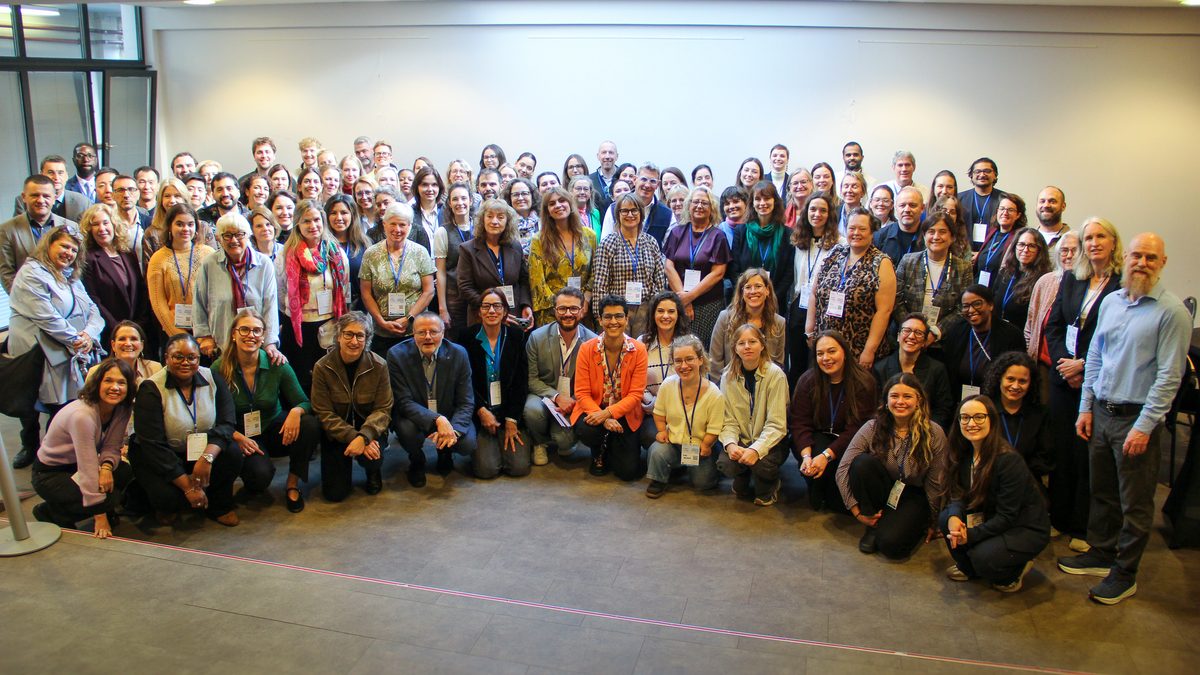
On 29 and 30 October, Validity Foundation took part to the Child Friendly Justice European Network (CFJ-EN) Annual Seminar, co-organised with Defence for Children Belgium, the Children’s and Young People’s Centre for Justice (CYCJ), and the Institute for Inspiring Children’s Futures. Entitled “The Value of Investing in Child Centred Justice,” the event could not have been more timely, as across Europe, constrained state budgets and eroding fundamental rights for children and young adults are colliding with rising institutional and systemic violence against youth, making our advocacy for children with disabilities more urgent than ever.
To truly understand how these systemic failures impact young lives on the ground, participants were first invited to step directly into their shoes during the “Youth Experiential Learning Labs“. Based on real-life cases, this experience brings you into fragmented services—from courts and schools to mental health and social services, revealing the harm caused when institutions fail to see the child as an individual.
In order to address these deep-rooted harms, it is necessary to rethink how states allocate resources from the very beginning. This shift is illustrated by F. Dyer and D. McEwan (CYCJ) in their presentation of Scotland’s joint national and local government approach to child-centred justice. This approach combines an end to the detention of minors in prisons and young offenders’ institutions, investment in community-based services as alternatives to custody, and trauma-informed secure care for the few children who present a significant risk of harm to themselves or others. As deprivation of liberty and institutional care are widely recognised as harmful to children, this model calls for a greater recognition of community-based services as a viable and promising alternative. It also reflects the need to move away from the institutionalisation of children and persons with disabilities, replacing it with support provided by holistic community-based services.
Ultimately, whether through systemic reform or legal action, the path forward requires a fundamental change in mindset. As Dr. Najat Maalla M’jid rightfully concluded, if we want child protection systems that genuinely protect rather than stigmatise, we must break free from merely funding crisis response. For children with disabilities, child centred justice means investing early, in inclusive and accessible, community-based and holistic support so they never end up in institutions or courtrooms.